Common Causes Of Mold Growth In Homes
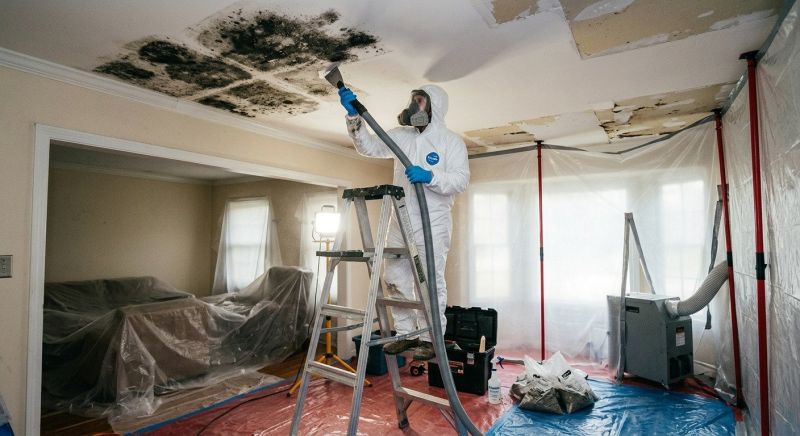
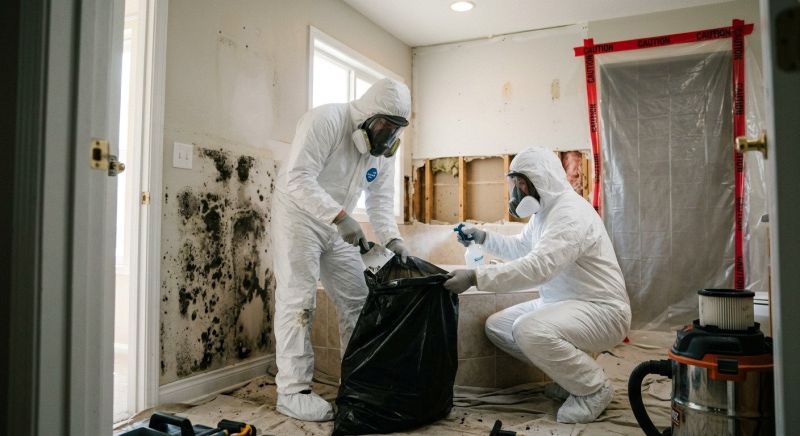
To address common causes of mold growth in homes, local contractors can identify and remove mold, helping ensure a safe and healthy living environment.
If you're concerned about mold growth in your home, understanding the common causes can help you take proactive steps to prevent it. Many property owners discover mold due to issues like persistent moisture, leaks, or poor ventilation-factors that create the ideal environment for mold spores to thrive. Recognizing these risks is especially important for those living in areas prone to humidity or frequent weather changes, as these conditions can increase the likelihood of mold developing behind walls, under floors, or in hidden corners. Local contractors experienced in mold removal are well-equipped to address these issues, helping to restore a safe and healthy living space.
Exploring the causes of mold growth can also highlight the importance of regular inspections and maintenance around the home. Small problems such as clogged gutters, unventilated bathrooms, or minor plumbing leaks often go unnoticed but can lead to larger mold issues if left unaddressed. Property owners who stay informed about these common triggers are better prepared to prevent mold from taking hold. Connecting with local service providers who specialize in mold removal can provide the expertise needed to identify and eliminate mold sources, ensuring the integrity of the property and peace of mind for residents.
- Mold removal - homeowners noticing persistent mold growth due to high humidity levels can rely on local contractors to assess and eliminate mold effectively.
- Moisture control - when leaks or condensation create damp environments, service providers can address the source and perform mold remediation.
- Ventilation improvements - poor airflow in bathrooms, kitchens, or basements can lead to mold; local pros can enhance ventilation systems to prevent future issues.
- Water damage restoration - after flooding or plumbing failures, local contractors can remove excess moisture and perform mold cleanup to protect indoor air quality.
- Damp basement cleanup - basements prone to dampness often develop mold; local service providers can dry out and treat affected areas to reduce mold risks.
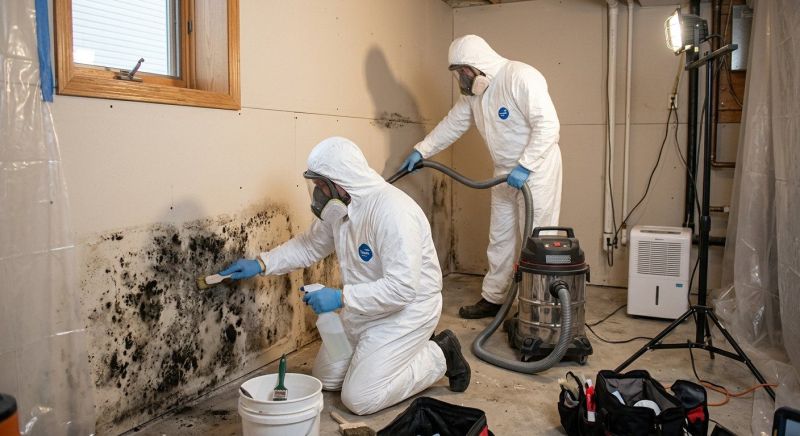
Understanding the common causes of mold growth in homes is essential for homeowners who are concerned about maintaining a healthy living environment. When people search for this topic, they often want to identify the underlying issues that lead to mold development, so they can prevent or address it effectively. Mold thrives in areas with excess moisture, so many inquiries relate to problems like leaks, high humidity, and poor ventilation. These concerns are connected to ongoing maintenance or renovation projects, as well as everyday issues that can develop unnoticed over time, such as plumbing leaks or inadequate airflow. Recognizing these causes helps homeowners plan appropriate solutions and know when to bring in local contractors who specialize in mold prevention and removal.
The problems associated with mold growth are often linked to specific building conditions and household habits. For example, water leaks from roofs, windows, or plumbing fixtures are common triggers that create damp environments conducive to mold. High humidity levels, especially in bathrooms, basements, or kitchens, can also promote mold development if not properly managed. Poor ventilation is another frequent issue, trapping moisture inside walls, attics, or crawl spaces. These problems frequently come up in the context of home improvement projects, such as remodeling bathrooms or upgrading insulation, where moisture control becomes a critical concern. Homeowners may also notice musty odors or visible mold patches, prompting them to seek professional mold removal services from experienced local contractors.
Certain types of properties are more prone to mold growth due to their design or location. Homes in humid climates or with inadequate insulation tend to experience higher moisture levels, making them more susceptible. Older houses with outdated plumbing or ventilation systems often face increased risks, as leaks and moisture buildup are more common. Basements, crawl spaces, and attics are typical trouble spots because they are harder to ventilate and more likely to accumulate moisture. Additionally, properties with poor drainage around the foundation can experience water intrusion during heavy rains, leading to persistent dampness. Understanding the characteristics of these properties helps homeowners recognize potential mold risks and seek out local service providers who can assess and remediate these issues effectively.
Addressing common causes of mold growth in homes often involves targeted repairs and moisture management strategies. Local mold removal professionals can evaluate the property to identify sources of excess moisture, such as leaks or ventilation problems, and recommend appropriate solutions. These may include fixing plumbing issues, improving ventilation systems, installing dehumidifiers, or sealing cracks and leaks in the building envelope. By tackling the root causes, homeowners can reduce the likelihood of mold returning and ensure a healthier indoor environment. Connecting with experienced service providers allows homeowners to implement practical, long-term measures that prevent mold growth, especially in areas most vulnerable to moisture problems. Proper diagnosis and intervention are essential steps in maintaining a safe, mold-free home.
Home Inspection Services - Professionals who perform home inspections can identify moisture issues and structural problems that contribute to mold growth, helping homeowners address underlying causes.
Water Damage Restoration - Local contractors specializing in water damage repair have the skills to fix leaks and moisture intrusion that often lead to mold development in homes.
HVAC Services - HVAC technicians can evaluate ventilation systems to ensure proper airflow and humidity control, reducing conditions conducive to mold growth.
Plumbing Repair - Plumbers can detect and repair leaks or pipe issues that create persistent moisture problems, a common cause of mold in homes.
Roofing Services - Roofing contractors can address leaks and roof damage that allow water intrusion, preventing mold from forming in attic and ceiling areas.
Basement Waterproofing - Specialists in basement waterproofing help control moisture levels and prevent water seepage that can lead to mold proliferation in lower levels of a home.
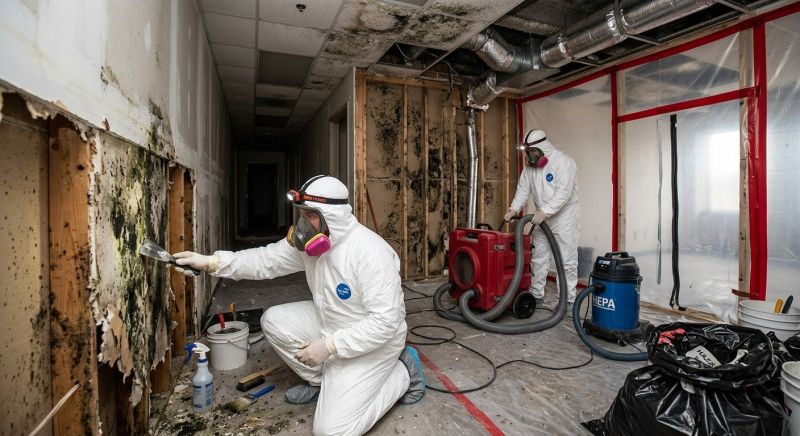
When evaluating local contractors for mold removal services, it’s important to consider their experience with similar projects. Homeowners should inquire about how many mold-related issues they have handled and whether they are familiar with addressing common causes of mold growth in homes, such as persistent moisture problems or hidden leaks. An experienced service provider will have a better understanding of the underlying conditions that contribute to mold development and can tailor their approach accordingly. This knowledge helps ensure that the mold removal process is thorough and effective, reducing the likelihood of recurring issues.
Clear written expectations are essential when choosing a mold removal service. Homeowners should seek detailed information about the scope of work, including inspection procedures, mold remediation steps, and any necessary repairs to address moisture sources. Having a well-defined plan in writing helps prevent misunderstandings and provides a transparent framework for what the project will entail. Reputable service providers typically communicate their process openly, making it easier for homeowners to understand what to expect and to compare different options effectively.
Reputable references and good communication are key factors when selecting local contractors for mold removal. Homeowners are encouraged to ask for references from previous clients who had similar mold issues, particularly those related to common causes of mold growth in homes. This feedback can offer insights into the contractor’s reliability and quality of work. Additionally, service providers who maintain open, responsive communication and are willing to answer questions thoroughly can help homeowners feel more confident in their choice. Clear, ongoing dialogue ensures that concerns are addressed promptly and that the project proceeds smoothly from start to finish.
Property owners often search for common causes of mold growth in homes when they are planning practical projects around their homes and businesses. Local pros provide Mold Removal services for everyday jobs and straightforward project options.
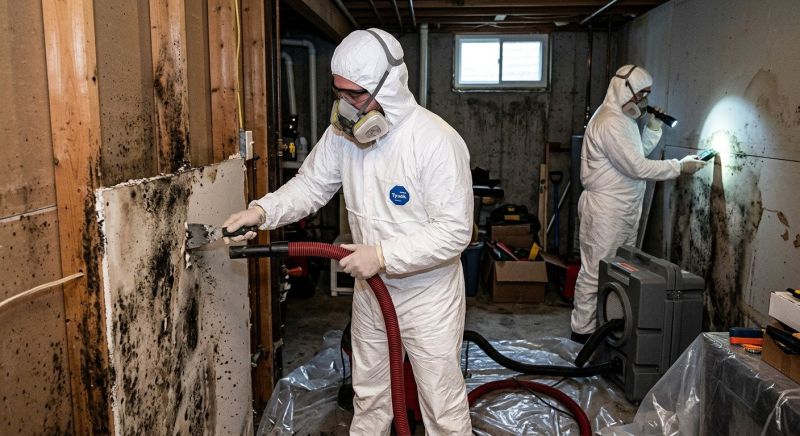
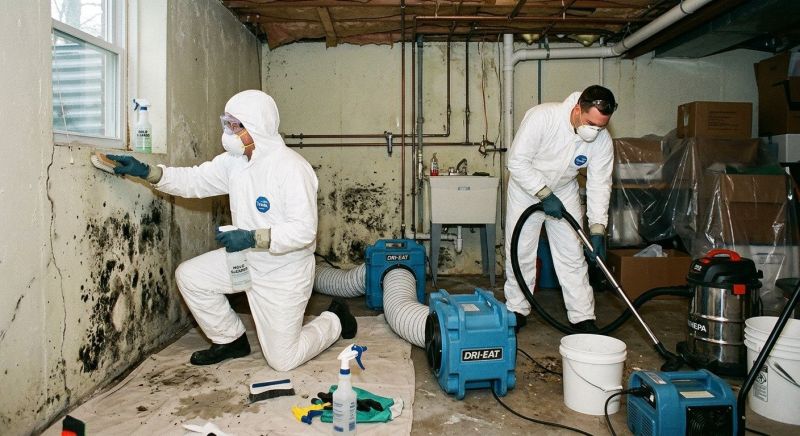
Many homes experience mold growth due to everyday situations that create moist environments. Common causes of mold growth in homes often include high humidity levels, especially in areas like bathrooms, basements, and kitchens where moisture tends to accumulate. Poor ventilation can trap damp air, making it easier for mold spores to settle and grow on surfaces such as walls, ceilings, and flooring. Property owners noticing persistent dampness or visible mold spots may seek out local contractors who specialize in mold removal to address these underlying issues and prevent further growth.
Additionally, leaks and water intrusion from plumbing problems, roof leaks, or faulty windows are frequent contributors to mold development. When water seeps into walls or flooring and is not properly dried or repaired, it creates an ideal environment for mold to thrive. Routine maintenance and prompt repairs are essential, but when mold becomes a concern, local service providers experienced in mold removal can help eliminate existing growth and recommend measures to reduce moisture sources. Proper assessment and remediation can help protect the home from ongoing mold issues caused by these common household conditions.
What are common causes of mold growth in homes? Excess moisture from leaks, high humidity, or poor ventilation can create ideal conditions for mold to develop inside homes.
How does water damage lead to mold? Water damage from burst pipes, roof leaks, or flooding can leave behind damp areas that promote mold growth if not properly dried and cleaned by local contractors.
Can poor ventilation contribute to mold problems? Yes, inadequate airflow and ventilation can trap moisture indoors, increasing the risk of mold developing on walls, ceilings, and other surfaces.
Does humidity level affect mold growth? Elevated indoor humidity levels, especially above 60%, can encourage mold spores to settle and grow on various surfaces within the home.
How do condensation issues cause mold? Condensation on windows, walls, or pipes can create persistent dampness, providing a breeding ground for mold if the moisture isn't addressed by local service providers.
Persistent moisture problems - Identifying and fixing leaks or water intrusion issues can prevent mold spores from thriving; local contractors can assess and repair plumbing or roofing issues.
Poor ventilation - Improving airflow in areas like bathrooms and kitchens helps reduce humidity levels that promote mold growth, with service providers offering ventilation solutions.
High humidity levels - Using dehumidifiers and moisture control strategies can keep indoor humidity in check, and local experts can recommend and install effective systems.
Condensation buildup - Addressing temperature differences and insulating surfaces can minimize condensation, with mold removal specialists helping to manage affected areas.
If you are thinking about common causes of mold growth in homes for a property, this guide is meant to help you understand this topic, the typical project types, and how different options might fit your plans.
When you are ready, you can use the quote form on this page to share a few details about your project. From there, local pros can review the basics and follow up with options that match what you have in mind.